Storage Solutions for 5 Years of Old Mail: What to Keep, Shred, or Archive
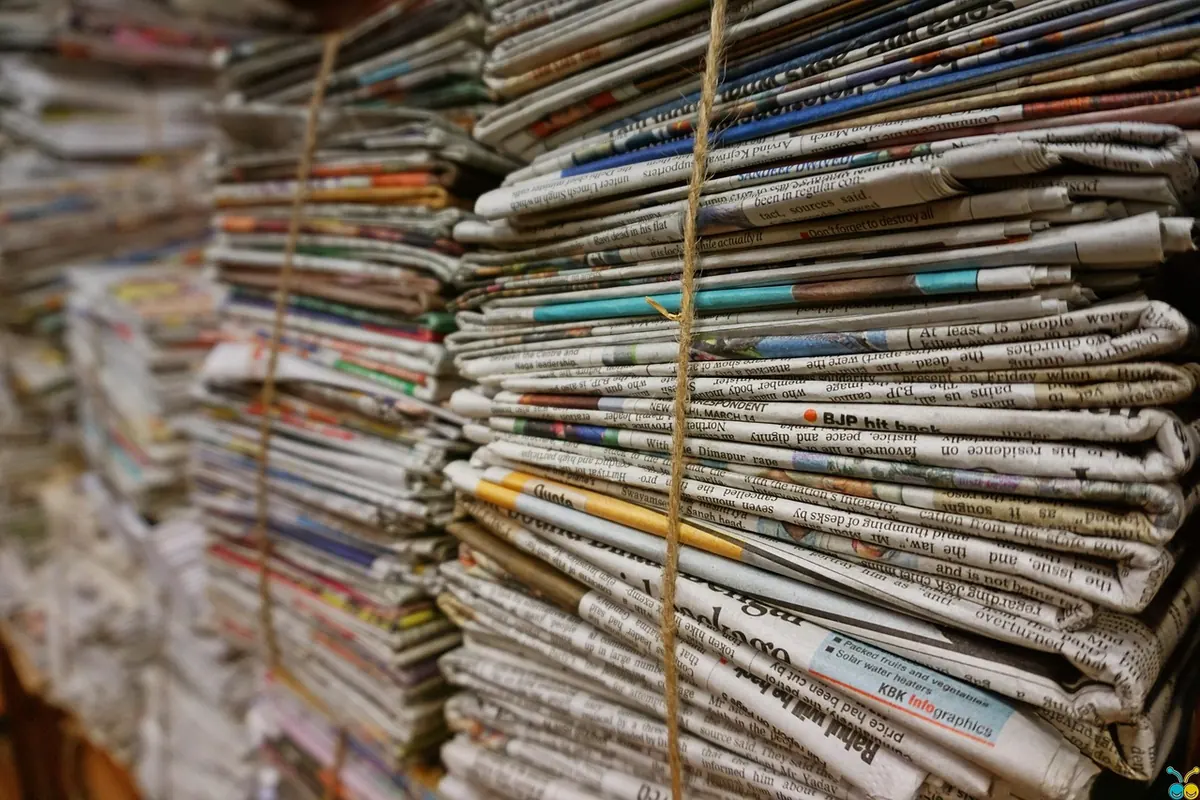
Five years of mail is not really a pile. It's a decision you keep postponing. Bills from 2019, a statement from an account you closed, three insurance packets, birthday cards from your aunt, and the warranty card for a dishwasher you replaced — all of it in the same drawer or the same sagging box in the closet.
Most of it isn't worth keeping, and the part that is can be sorted in an afternoon or two. What follows is a retention guide for the paper a normal household accumulates, plus how to box and scan the pieces that deserve to stay.
Start with a sorting station, not a filing system
You don't need a filing system yet. You need four containers and a flat surface. Label them before you open the first box. A dining table works, or a cleared counter. Keep a trash bag for recycling and a shred bag within reach so you never have to leave your seat to deal with something.
- Shred — anything with an account number, signature, or personal identifier
- Act on it now — an unpaid bill, an open claim, a letter that needs a reply
- Archive — records you're keeping on purpose
- Recycle — envelopes, inserts, catalogs, junk mail with no personal details
Work one drawer or one box at a time, and set a timer for thirty minutes. When it rings, finish the stack in your hand and stop. Two short sessions beat one heroic afternoon that ends with everything back in the closet.
Resist the urge to read every statement. You're checking three things: which account it belongs to, whether it's the current or final version, and whether anything looks unfamiliar. If a charge looks wrong, it goes in "act on it now" and gets a phone call. Otherwise it moves on.
What you can shred without a second thought
Once a document has served its purpose, it's clutter with your name on it. That includes:
- Utility, phone, and internet bills after you've confirmed payment and there's no dispute
- Credit card and bank statements you've already checked — unless they support a tax return, such as business expenses or deductible interest
- Pay stubs after you've matched them against your annual tax form
- ATM and deposit slips once the transaction appears on your statement
- Expired warranties and manuals for appliances you no longer own
- Insurance mailings replaced by a newer policy version
- Anything showing an account number, even if it looks like marketing
If you don't own a shredder, many banks, libraries, and municipal recycling programs host shredding days where you can drop off a bag or two. Shredded paper goes out to the bin the same day so it can't drift back into the drawer.
A cross-cut shredder turns documents into confetti rather than long strips, which is safer for anything with an account number or signature. If you only have a strip-cut shredder, mix the strips with food scraps or kitty litter before you bin them. It sounds fussy, but identity thieves have been known to reassemble strip-cut paper. The few seconds of mixing is cheap insurance.
What to keep — and how long
Tax paper
Keep your filed returns and the documents that support them. Retention rules vary by country and change over time, so check the current guidance from your tax authority or ask a tax professional rather than trusting a number you read somewhere. As a working habit, hold supporting documents — receipts, income statements, mortgage interest summaries — for several years after filing, and keep a copy of the return itself longer. Returns get requested for loan applications, benefit claims, and proof of income history long after the tax year ends.
If you're self-employed, keep receipts for anything you deducted — mileage logs, home office expenses, equipment — for as long as the tax authority can audit that year. The clock usually starts after you file, not after the calendar year ends.
Records that outlive the paper
Some documents should never go in the shred bag, because they close out an obligation or prove ownership:
- Loan payoff letters and mortgage discharge documents
- Deeds, titles, and ownership transfer paperwork
- Pension, retirement, and brokerage annual statements
- Final loan documents for a car or home you still own
- Receipts for major purchases while they're under warranty or insured
Medical and insurance
Keep claim records and explanation-of-benefits documents for at least a year, and longer if a bill is disputed, a claim is open, or you're tracking an ongoing condition. Those records belong together in one folder, not spread across three boxes. For anything tied to a legal dispute or an unresolved claim, ask a professional before you shred.
Digitize the awkward middle
Not every piece of paper needs to stay paper. Statements, paid bills, and old tax returns are good candidates for scanning because you rarely need the original. A simple naming system — 2023-04-15 electric bill — beats a folder full of files called scan_0012.pdf. Store scans in two places: your computer and a cloud drive or external hard drive. If your scanner sits in a closet, a phone scanning app is fine for anything that doesn't need to be perfect.
Some documents should stay in their original form, though. Deeds, titles, birth certificates, marriage licenses, and anything with a raised seal or original signature are safer in a fireproof box or safe deposit box than in a digital folder. Scans can be a backup, but they don't replace the original for legal or government purposes.
Store the archive so it stays archived
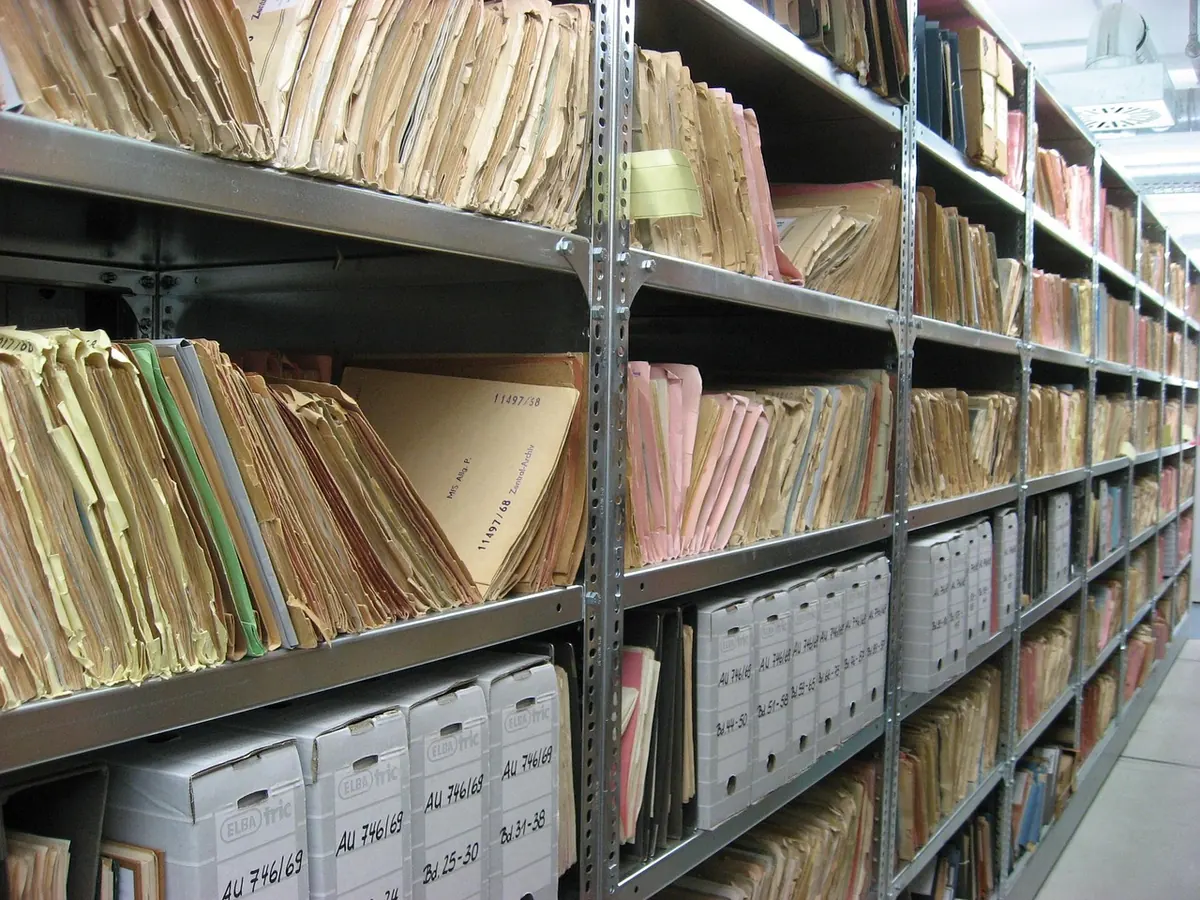
Once you've decided what to keep, give it a home that isn't a grocery bag. Clear plastic bins with latching lids keep out moisture and pests better than cardboard boxes in a damp basement. Label the outside with a broad category — Tax 2020–2024, Home purchase, Medical claims — and keep a one-page inventory taped inside the lid. That way you don't have to open five boxes to find a single document.
Store boxes off the floor, away from pipes and exterior walls. A shelf in a closet is better than a garage or attic where temperatures swing. Once a year, when you file your taxes or change the smoke detector batteries, open the archive box and pull out anything that has expired. The archive should shrink as well as grow.
Your personal letters belong in a different box
Letters, cards, and journals are not records to be audited. They're keepsakes, and they get lost when they're mixed into a pile of bank statements. Give them their own container from the start.
Slide the letters out of their envelopes unless the envelope itself matters — a postmark from a place you lived, a stamp you like, a return address in your grandmother's handwriting. Bundle by person or by decade, sleeve each bundle in a paper band, and label it. If the letters carry no dates, pencil in what you know. Store bundles upright in a lidded box, away from damp basements and hot attics. Add a silica gel packet if you live in a humid climate. The point is to make them easy to find and pleasant to open, not to preserve them for a museum.
Finally, don't let the sorting station become permanent. When the timer rings at the end of your last session, take the shred bag to the bin, put the archive box on its shelf, and recycle the rest. Five years of mail is only overwhelming until you decide which pile each piece belongs in.
Photo: creativesignature / Pixabay