Common Mail Organization Mistakes That Create Paper Piles
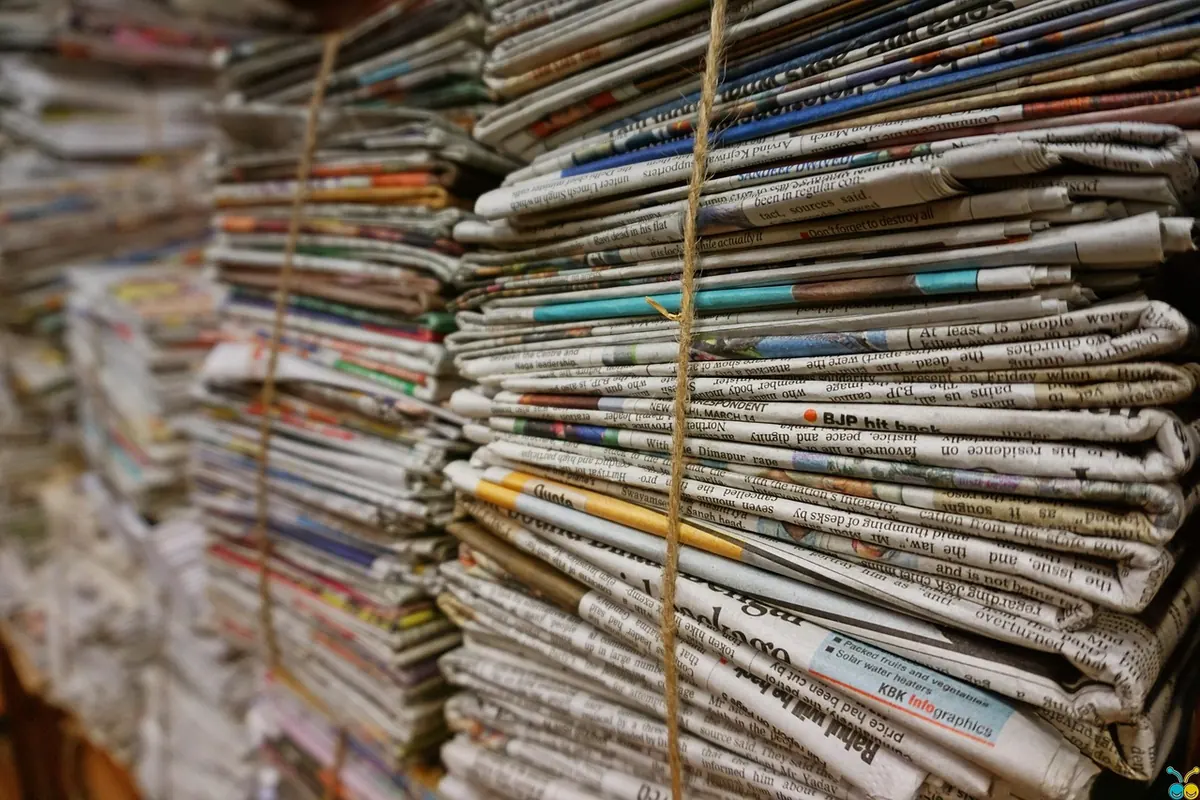
A kitchen counter can hold about three days of mail before it stops looking like a pile and starts looking like furniture. One bill, two catalogs, a bank statement, a school flyer, and a coupon mailer nobody remembers signing up for. None of it is hard to deal with on its own. Together, it becomes a chore you keep postponing — and postponing is what turns paper into clutter.
The frustrating part is that paper piles rarely come from laziness. They come from a handful of habits that feel reasonable in the moment: dropping mail on the nearest flat surface, keeping envelopes because the return address might be useful, setting aside a decision for a calmer evening that never arrives. Change the habits and the pile stops forming.
Sorting Mail on the Kitchen Counter
The counter is the worst place to make decisions about mail, and also the most convenient. It's where you walk in, it's where the light is, and it's where every other household object already lives. So the mail lands there, and the sorting gets interrupted by dinner, a phone call, a kid who needs something.
Move the first sort to a standing-height spot near a recycling bin and a shredder. You only need about thirty seconds: open, glance, and drop each piece into one of four destinations. Standing matters. It keeps the process short and slightly uncomfortable, which is exactly what stops you from lingering over a coupon for a store you never visit.
Then sort once. Re-shuffling the same stack three evenings in a row costs more attention than dealing with it once.
Keeping Envelopes "Just in Case"
Envelopes feel informative. Postmark, return address, sometimes a handwritten note. But nearly everything on an envelope is either on the paper inside or available in your account online.
Before you recycle an envelope, check for:
- a payment due date that isn't printed on the statement inside
- a handwritten return address from a person, not a company
- a check or card tucked in with the paper
- an account or reference number you'll need to look up later
If none of that is there, the envelope has done its job. Recycle it in the same motion as opening the mail.
The same logic applies to what's inside. Keep the statement page or the bill stub, not the insert. Keep the single page listing the terms you actually need rather than the twelve-page booklet. And if you're unsure whether a document matters — tax paperwork, insurance policies, legal notices — put it in a labeled file instead of a pile, and ask a qualified professional how long to keep it. Piles aren't archives. They're just undecided paper.
Delaying Small Decisions
"Later" is the most expensive word in mail organization. Every piece you set aside carries a tiny decision you haven't made yet — pay it, file it, shred it, act on it — and those unmade decisions stack up into something that feels far bigger than it is.
Give yourself a rule: if a piece of mail takes under two minutes, handle it now. Pay the bill online, note the appointment on the calendar, reply to the invitation, then recycle the paper. Most mail falls into that category. Whatever doesn't — a form to complete, a call to make, a decision that involves someone else — goes into a small action tray with a date attached, not onto a growing pile.
Treating Every Envelope as Equally Important
A good half of what arrives is designed to look urgent and isn't. A credit card offer in a window envelope gets the same first glance as a notice from your bank, so your brain treats the whole stack as serious and tiring work.
Pre-sort before you read. Look at the sender, not the marketing copy, and route obvious advertising straight to recycling — unopened. If a particular sender keeps filling your mailbox, spend five minutes removing yourself from their list, or use the opt-out services that many postal systems and consumer agencies provide. Fewer pieces means fewer decisions, and fewer decisions means the stack never gets tall enough to ignore.
Mixing Everyone's Mail Together
In a household of two or more people, one shared pile becomes everyone's problem and no one's task. A bill for a partner, a form for a teenager, a donation request addressed to someone who moved out four years ago — all of it blends together.
Set up individual slots or folders, plus one labeled "not ours." Deliver each person's mail to their slot instead of leaving it in the common area, and empty the "not ours" folder every month with a return-to-sender or a note to the sender. If you're handling mail for a former resident, or for someone who has died and there are accounts or debts involved, get guidance from the relevant institution or a professional rather than guessing at what to open and what to send back.
Storing Mail in Too Many Places
A pile on the counter, a stack by the desk, a bag of unopened envelopes in the car, a drawer that has become a rumor. When mail lives in five places, you can't tell what you have, and you end up paying or replacing things you already handled.
Choose one inbox — a single tray, box, or basket — and let everything land there until it's processed. Then give yourself exactly three destinations: action, file, recycle or shred. For filing, one accordion folder with a few labeled sections is plenty: taxes, home, health, insurance, vehicle. You don't need an elaborate system. You need one you'll actually open.
A Small System Beats a Perfect One
The goal isn't a spotless house or a color-coded archive. It's that mail stops being something you avoid. Open it standing up, near a bin. Handle what takes two minutes. Keep the page, not the envelope. Give each person their own slot, and send the rest into one inbox you clear once or twice a week.
Expect to fall behind sometimes. A week of travel or illness will produce a stack no matter how good your system is, and that's fine — the point of a system is that you can catch up in fifteen minutes instead of dreading it for a month. Start with the easiest change: move the sorting spot away from the kitchen counter, and put a recycling bin within arm's reach of wherever you land.
Photo: Pexels / Pixabay